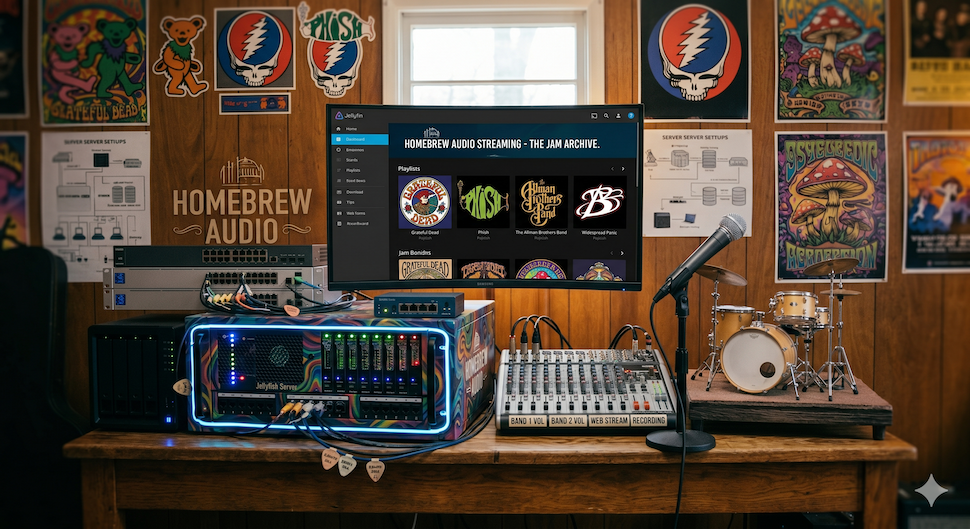
The State of My Music Setup in 2026
A few months ago Spotify yet again increased the price of their family plan, which was the last straw for me. I’ve been using Spotify for years, and the constant price hikes are one thing but there were lots of other mounting frustrations with the service. So despite having a lot of carefully curated playlists and a large library of music on Spotify, I decided it was time to move on and explore other options.
My Spotify Gripes
One thing was the abundance of features I simply wasn’t using. Podcasts, video content, audio books, and other non-music content felt like unnecessary clutter in the app. I just wanted a simple music streaming service without all the extra bells and whistles. Every new price adjustment felt like it was stemming from one of these features. I was paying for things I didn’t want or need.
Another issue was the public sentiment around Spotify’s compensation for artists. I understand that this is a complex issue with many factors at play, but as a consumer, it was frustrating to feel like I was supporting a platform that wasn’t fairly compensating the artists whose music I enjoyed. It made me question whether I wanted to continue using a service that had such a contentious relationship with the music industry.
On top of that King Gizzard & The Lizard Wizardremoved most, if not all, of their music from the Spotify library. I understand that this went beyond simple licensing agreements and was more of a statement from the band, but it was still frustrating as a fan.
Lastly, I was already paying for a slew of other Apple services. So via the “Apple One” subscription, for cheaper than I was paying for Spotify family, I could tack on Apple Music for basic streaming needs (and their library does include King Gizz!)
So I Made The Switch
But my taste in music extends beyond the libraries of most major services and into “jam bands” which often allow for live taping. Old school artists like Phish, The Grateful Dead, and Widespread Panic have massive catalogs of live recordings that fans actively trade and share, and most streaming services have spotty coverage at best. This is where services like archive.org become invaluable. With Apple Music’s integration and a few supplementary services for live recordings, I’ve actually found my music discovery experience to be richer than it was on Spotify.
The transition wasn’t painless. I had to manually export my playlists and rebuild some of my library from scratch. But it forced me to be more intentional about what I listen to. I’ve rediscovered some old favorites and found new artists I might have otherwise missed. Plus, knowing that I’m supporting platforms with more favorable artist compensation models makes the whole experience feel more ethical, even if it’s a bit more fragmented.
The Self Hosting Route
In addition to using Apple Music, I found Navidrome to be a great self-hosted music server solution. It allows me to stream my personal music collection from anywhere, and I can easily integrate it with my existing library. This has been a game-changer for me, as I can now access all my music without relying on a third-party service. The setup was relatively straightforward, and the performance has been excellent. It’s also given me more control over my music and how I access it, which has been a refreshing change from the limitations of traditional streaming services.
Coinciding with my Navidrome setup and filling the gap left behind with Last.fm is ListenBrainz. It provides a very similar ability to track my listening habits and get personalized recommendations based on my music preferences. It works great with Navidrome.
The Setup
I’m not going to go into details but rather, let’s do bullets:
- Apple Music for general streaming needs and access to a large library of music
- Navidrome for streaming my personal music collection from anywhere
- A python script for automatically downloading & syncing new music from Archive.org to my local library to Navidrome
- ListenBrainz for tracking my listening habits and getting personalized recommendations based on my music preferences (This is what powers the “Now Playing” section of this blog’s homepage!)
- A few other smaller services and tools for specific needs, but these are the main components of my music setup.
- All locked down to just me via Tailscale for a secure connection to my home server where Navidrome is hosted.
Final Thoughts
It doesn’t hurt that I already have a pretty robust home server setup with a lot of spare storage, so hosting my own music server was a natural extension of that. For those who don’t have the technical know-how or resources to set up their own server, there are plenty of other options out there that can provide a similar experience without the hassle of self-hosting. But for me, the control and customization that comes with self-hosting has been worth the effort.